In his speech at the launch of the Leverhulme Centre for the Future of Intelligence on October 19, 2016, Professor Stephen Hawking shared a profound insight. He suggested that artificial intelligence (AI) could be the greatest or the most terrible development for humanity, and that the outcome remains uncertain. “The research conducted by this center is critical to the future of our civilization and our species,” he declared.
Fast forward eight years, and AI is now a ubiquitous topic. It has permeated the everyday life of the average person, many of whom may not fully grasp its implications. Hawking’s message did not advocate a simple yes or no stance towards AI; rather, it urged us to proceed with caution. He envisioned AI as a tool to assist, not replace, humanity—guiding us like a co-pilot, to ensure we continue to thrive rather than becoming a mere footnote in the annals of history. Hence, the awe—and the caution—surrounding AI.
Dr. APJ Abdul Kalam’s true achievement wasn’t just the development of the Agni missile; it was when he revolutionized prosthetic limbs by creating a version that weighed just 400 grams, a significant reduction from the 4-kilogram models that came before it. This innovation exemplifies the real success of technological advancements.
Similarly, the measure of success for artificial intelligence hinges on its accessibility and utility to the average person. Consider this scenario: a person isn’t looking for AI to enhance their speed; instead, they question its ability to assist them in daily life if they are unable to stand without support. The critical question from a common man’s perspective is: “If I can’t even stand on my own, will AI help me manage my day-to-day duties?” The success of AI is affirmed only when the answer to this question is a resounding “Yes.”
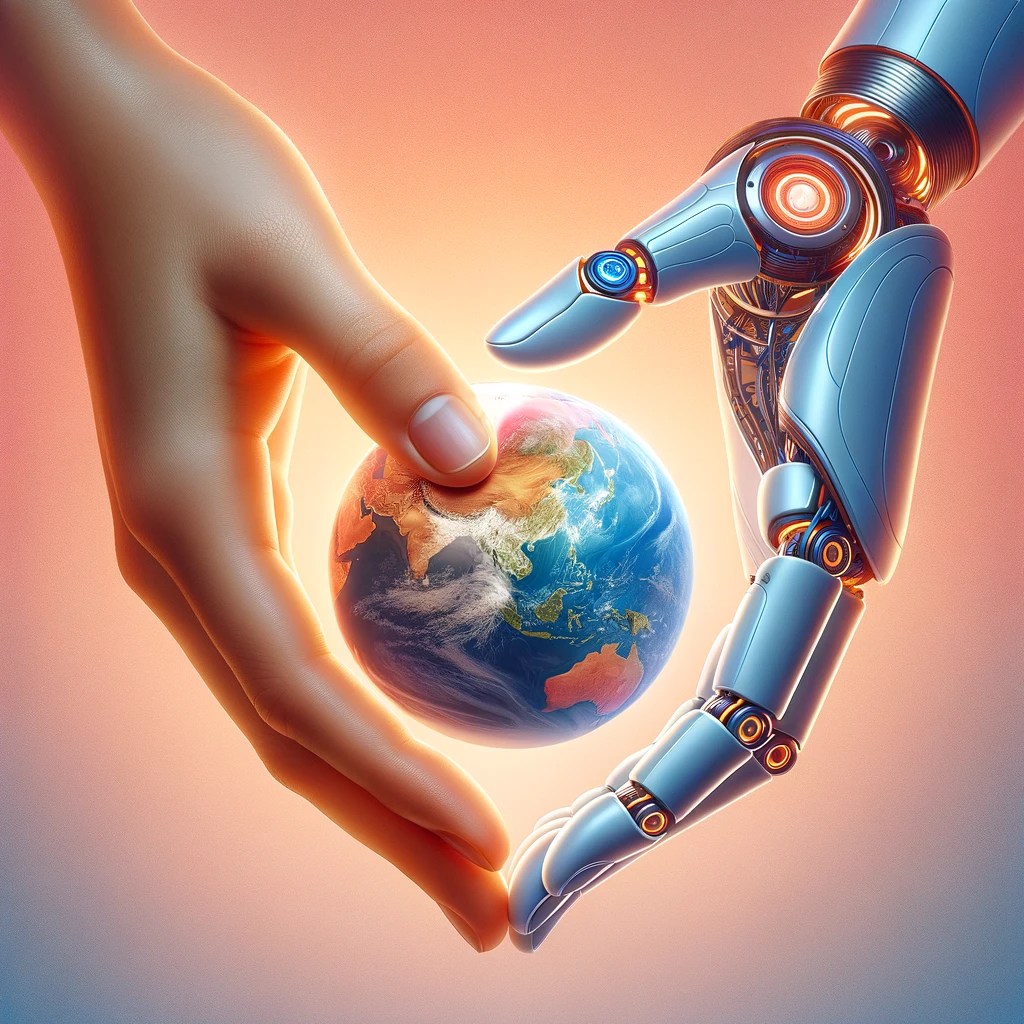
“I am captivated by the stunning visual you see here, which was created using the DALL-E model. It took me just a couple of minutes to refine my thoughts into a descriptive prompt. DALL-E then worked its magic, transforming my words into this beautiful image that you see on the blog. Isn’t it remarkable how technology can turn imagination into reality so swiftly?”
செயற்கை நுண்ணறிவோ
செயல் கை நுண்ணறிவோ
A (ஏ) I (ஐ) ஓ என
ஏற்க மறுக்கிறோமோ நாம் ?
ஆச்சியின் அம்மி
சுமீத்தானது
அம்மி மசாலா
ஆச்சியானது
தாவணிக்கனவான
தட்டச்சு மையம்
கணிப்பொறி கூடாரமாய்
காலத்தால் கனிந்தது
அண்ணாச்சி அங்காடிகள்
அமோக ஆன்லைனானது
பழயன கழிதலும்
புதியன புகுதலும்
பரிணாமத்தின் விதி
ஆள்குறைப்பு அச்சம்
அழிவென்ற அச்சம்
ஆளப்படும் அச்சம்
அறியாமையின் அச்சம்
AI – ரதம்
உணர்வால் உருட்டினால்
பொறுப்பாய் நகரும்
மருத்துவம் மிதக்கும்
விஞ்ஞானம் விசுரும்
தனித்துவம் துளிரும்
சுமைகள் சுருளும்
பெருமைக்கு உருட்டினால்
உண்மை ஊனமாகும்
இனம் ஈனமாகும்
ஆழமாய் ஆராய்ந்தால்
அழகாய் விளங்கும்
A (ஏ) I ( ஐ ) வரமென
சிறப்பாய் சிந்தித்து
பொறுப்பாய் நகர்த்துவோம்!
 இரயில் பயணங்களில்....
Thank you for this insightful blog, Anand. I’m impressed by how well you’ve conveyed valuable messages. Could you also provide a translation of the poem? The image itself speaks volumes. Eagerly anticipating more of your fantastic posts.
LikeLike
Thank you for the lovely words and support as ever Anup.
LikeLike